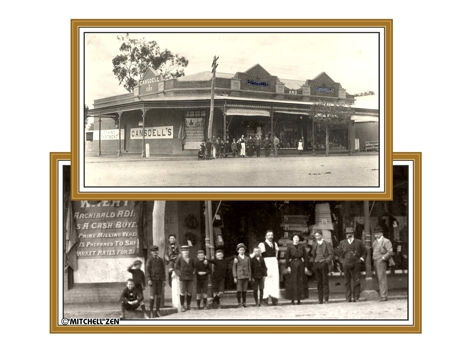
Prosperous Manilla in 1906
- Manilla NSW Australian History 1800s 1900s

- Jun 29
- 3 min read
Updated: 6 hours ago

Manilla district was going through a prosperous time for the past many years, and the demand to buy land points clearly to the popularity of the Manilla district.
It all started back in 1818 when John Oxley set off north east from Bathurst and landed on the Peel River near Tamworth and exclaimed: “It would be impossible to find a finer or more luxuriant country. No place in this world can afford more advantages to the industrious settler than this extensive vale. North and south, it is certainly not less than 60 miles (100 klms) and well-watered independently of the river, the grass most luxuriant, the timber good.”
This message was related to Sydney and a few years later the first pioneers of the Manilla district arrived – Baldwin and Hall, followed by more later. By the 1860s the population was only around 50. By the 1890s the population reached nearly 1000. Fed by a very successful pastoral and wheat growing industry.
A report in 1906 states the total acres under cultivation of all kinds was 46,828 acres, producing 159,562 bags of wheat and producing a wheat crop value of 80,000 pounds, equal to $24 million today. Add wool $6 million, Sheep $4 million, Cattle $3 million, Horses $160,000, Pigs 40,000.
This is why the Manilla district became successful and why the town grew to what you see today.
Let’s look at some comparisons:
In 46,000 acres (in the Manilla district) you can fit 16 Sydney Urban areas or 25,000 Rugby League fields.
If Manilla had a vehicle manufacturing business it would produce 15 medium sized vehicles a week or 700 per year to generate that amount of money for the district. This gives you an idea of how large and how prosperous these times were.
This success is why more buildings were built, more homes were established on available land, and more businesses were established in Manilla during this period of time that produced the life you have today.
A year previous to the 1912 land sale there was a rush for a number of Homestead Blocks of Land, with 266 applications. The land was near the Wheelers and Bolands, about 3 miles from Manilla. The successful Manilla residents to obtain land were: John Thrift, George Roberts, William Lancaster, J. King, Marv Scanlon, S. Hartley and William Baker.
In 1912 Adie’s store was competing with Mackenzies at this time, selling a vast large range of produce; while D. Costelloe was the licensee at the Junction Hotel (Post Office) and Frank Roddett was at the Royal Hotel.
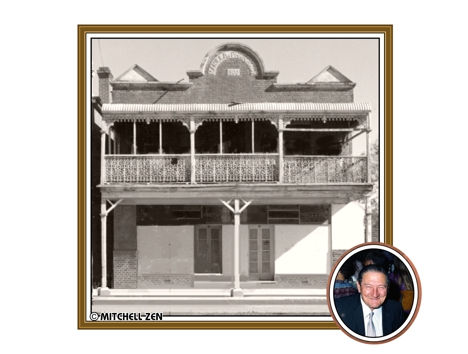
George Englert was working as a Blacksmith at Baker’s Factory, who was an accomplished musician in the Holy Trinity Church Choir, and built his home at 28 River Street in 1905. This home also became the home of the proprietors of Adie’s store followed by the local Chemist J. E. Simpson. Sister Greenhalgh (medical) also used these premises as a private nursing home.
During this time a male shopkeeper typically worked 60 to 70 hours a week where the workday frequently stretched 10 to 14 hours a day, six days a week, keeping doors open well into the evening to accommodate farmers and labourers who could only shop after dark.
It wasn’t until 1939 the standard 44-hour workweek was formally adopted in Australia. Just previous to this it was 48 hours – 6 days a week.

The following are Links to their respective pages with much information and pictures. The Link is to the page itself whereas you will either Join or Log In. For information on how this works you can go to the Link below these Links which will take you to the Home Introductory Page.




The below Link will take you to the Home Introductory Page